
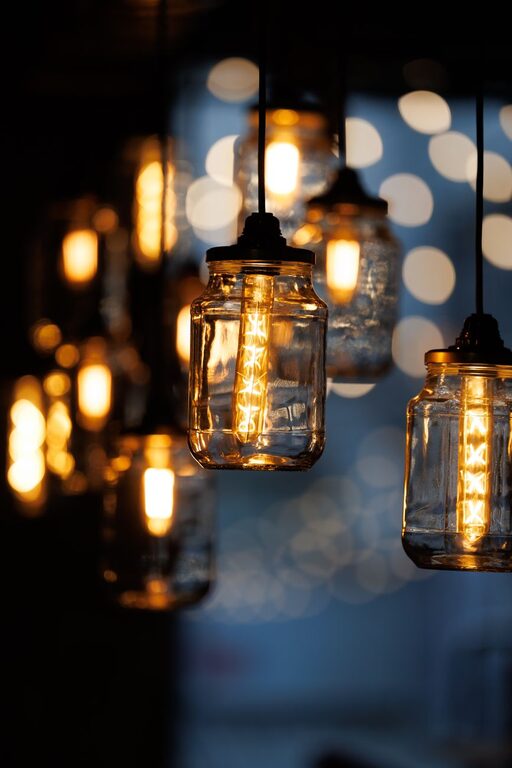
Creating a comfortable atmosphere at home starts with the right lighting. Whether you’re reading a book, cooking dinner, or relaxing with family, the lighting you choose affects your mood, productivity, and even your health. With so many lighting options available, it’s important to know how to pick fixtures and bulbs that provide both functionality and comfort. This guide will walk you through key tips to help you choose comfortable home lighting that suits every space.
Understand Different Types of Lighting
Before you begin shopping, it’s helpful to understand the three main types of lighting and their purposes:
– Ambient Lighting: This is the general lighting that illuminates the entire room, such as ceiling fixtures or recessed lights.
– Task Lighting: Focused lighting for specific activities like reading, cooking, or working (e.g., desk lamps, under-cabinet lighting).
– Accent Lighting: Highlights particular areas or objects such as artwork, shelves, or architectural features.
A comfortable home uses a balance of these lighting types to create layers of light, making spaces both functional and inviting.
Consider the Color Temperature
Color temperature is measured in Kelvins (K) and describes the appearance of light:
– Warm Light (2700K–3000K): Produces a soft, yellowish glow similar to traditional incandescent bulbs. Ideal for living rooms, bedrooms, and dining areas where you want to create a cozy and relaxing environment.
– Neutral Light (3500K–4100K): Offers a balanced white light that works well in kitchens, bathrooms, and home offices.
– Cool Light (5000K+): Mimics daylight and is bright and crisp. It can be energizing but may feel harsh in living spaces.
For comfortable home lighting, choose warmer color temperatures in areas where you unwind, and use neutral or cooler tones in spaces that require focus and attention.
Optimize Brightness Levels
Too much or too little brightness can cause eye strain and discomfort. When selecting bulbs, check the lumen rating, which measures brightness:
– Living rooms and bedrooms: Aim for 1,500–3,000 lumens total.
– Kitchens and workspaces: Require 3,000–5,000 lumens or more.
– Hallways and closets: Need less, around 100–800 lumens.
Dimmer switches are a great addition because they let you adjust brightness according to the time of day and activity, boosting comfort and energy savings.
Choose Fixtures That Diffuse Light Evenly
Lighting fixtures come in many styles, but those that diffuse light evenly create less glare and shadows, which contributes to comfort. Lampshades, frosted glass, and fabric coverings scatter light softly, reducing harshness. Avoid bare bulbs or overly shiny surfaces that reflect bright light directly into the eyes.
Pay Attention to Placement and Angles
Where you position lights matters as much as what you select. Here are some placement tips for comfort:
– Position task lights so they illuminate your work area without casting shadows.
– Use multiple light sources at different heights for balanced illumination.
– Avoid placing bright lights directly behind or in front of your eyes.
– In living areas, indirect lighting that bounces off walls or ceilings creates a soft glow.
Experimenting with lamp placement and angles helps you find the most relaxing and practical setup.
Consider Energy Efficiency and Longevity
Comfortable lighting also means worry-free lighting. LED bulbs are a smart choice because they use less energy, last longer, and emit less heat than traditional incandescent or halogen bulbs. Choosing energy-efficient fixtures and bulbs lowers electricity bills and reduces the frequency of replacements.
Add Smart Lighting Controls
Technology can enhance comfort with smart lighting systems. You can schedule lights to turn on or off, adjust colors, and control brightness remotely via phone apps or voice commands. This flexibility lets you create customized lighting scenes that fit your mood or routine effortlessly.
Match Lighting to Your Home’s Style
Comfort isn’t just about function — it’s also about how lighting complements your home’s aesthetic. Select fixtures that fit your décor, whether that’s modern, rustic, minimalist, or traditional. When lighting blends beautifully with your style, it creates a harmonious and inviting environment.
Summary Checklist for Comfortable Home Lighting
– Use a combination of ambient, task, and accent lighting.
– Choose warm color temperatures for relaxing spaces.
– Select brightness levels appropriate for each room and activity.
– Opt for fixtures that diffuse light evenly and reduce glare.
– Place lights thoughtfully to avoid shadows and direct eye exposure.
– Prioritize energy-efficient bulbs, such as LEDs.
– Consider smart controls for added convenience.
– Match lighting fixtures to your home décor and personal taste.
By taking the time to plan your home lighting carefully, you’ll create spaces that are welcoming, practical, and easy on the eyes. Comfortable lighting makes a big difference in how you experience your home every day. Happy lighting!